
About Us
Mana is an online gallery.
It is an evolving body of work — contemporary objects that move between jewelry, domestic ware, textiles, and tools for everyday life.
The work is informed by the perspective of a Filipino in the diaspora, where culture is often encountered through memory, gesture, and use rather than proximity. Objects are approached not as symbols or souvenirs, but as things that participate in living—worn on the body, placed on the table, carried across spaces, and kept over time.
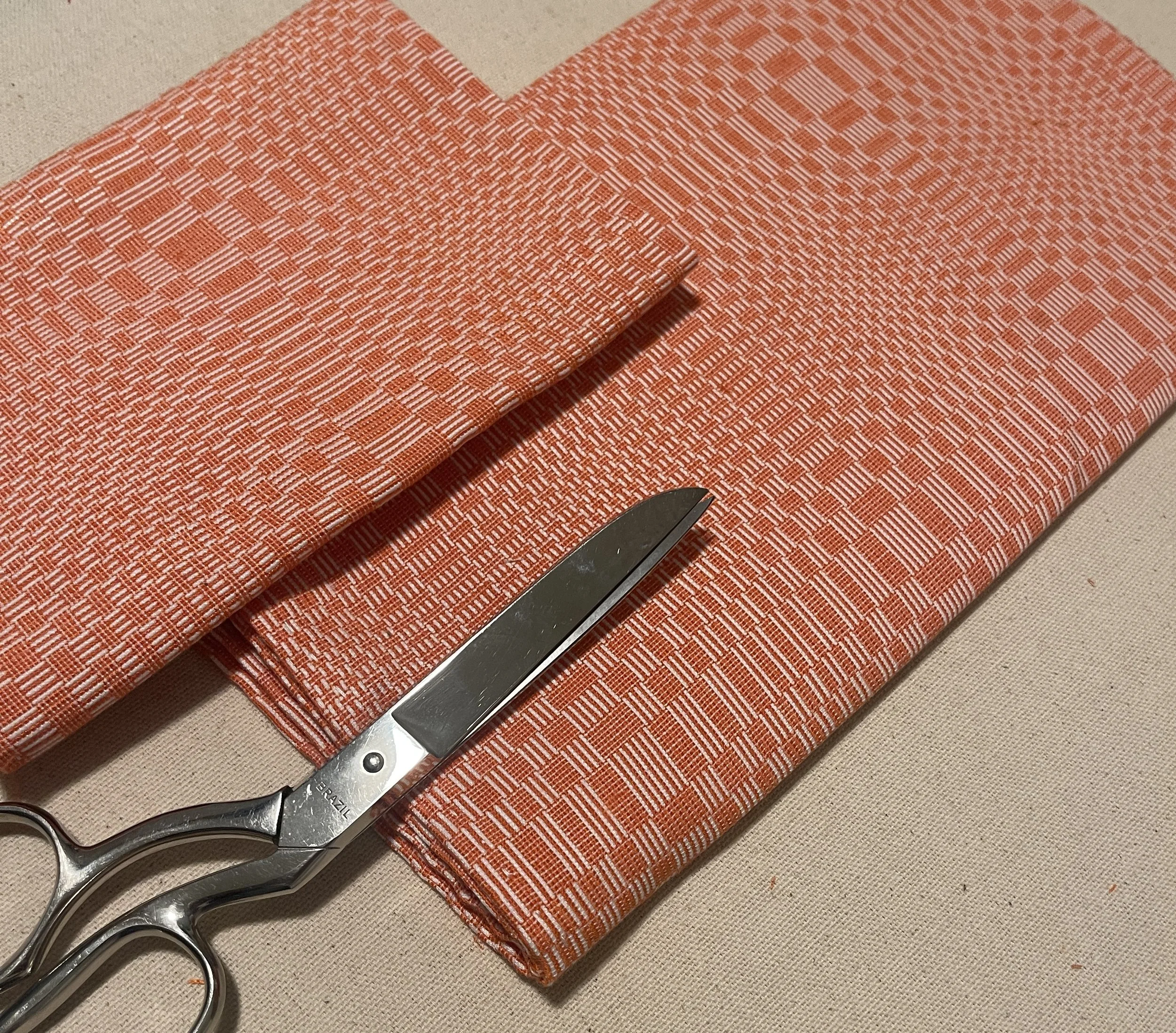
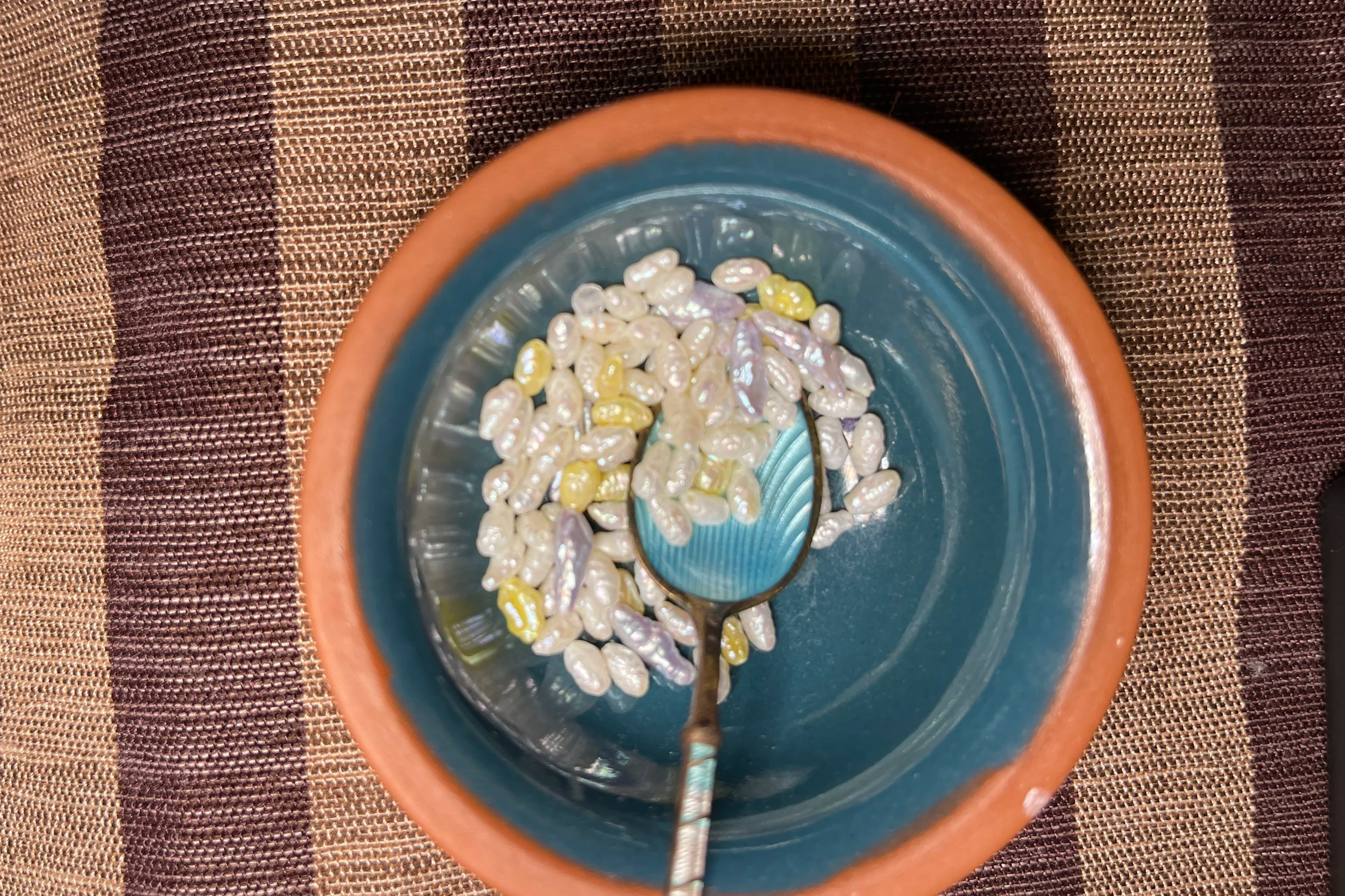
At the center of the work is a commitment to making future heirlooms—objects designed to endure physically and culturally. Materials are chosen for longevity, forms are developed to age with use, and collections are conceived with the expectation of being lived with rather than consumed. Value is not tied to novelty, but to accumulation: of wear, of memory, of care.
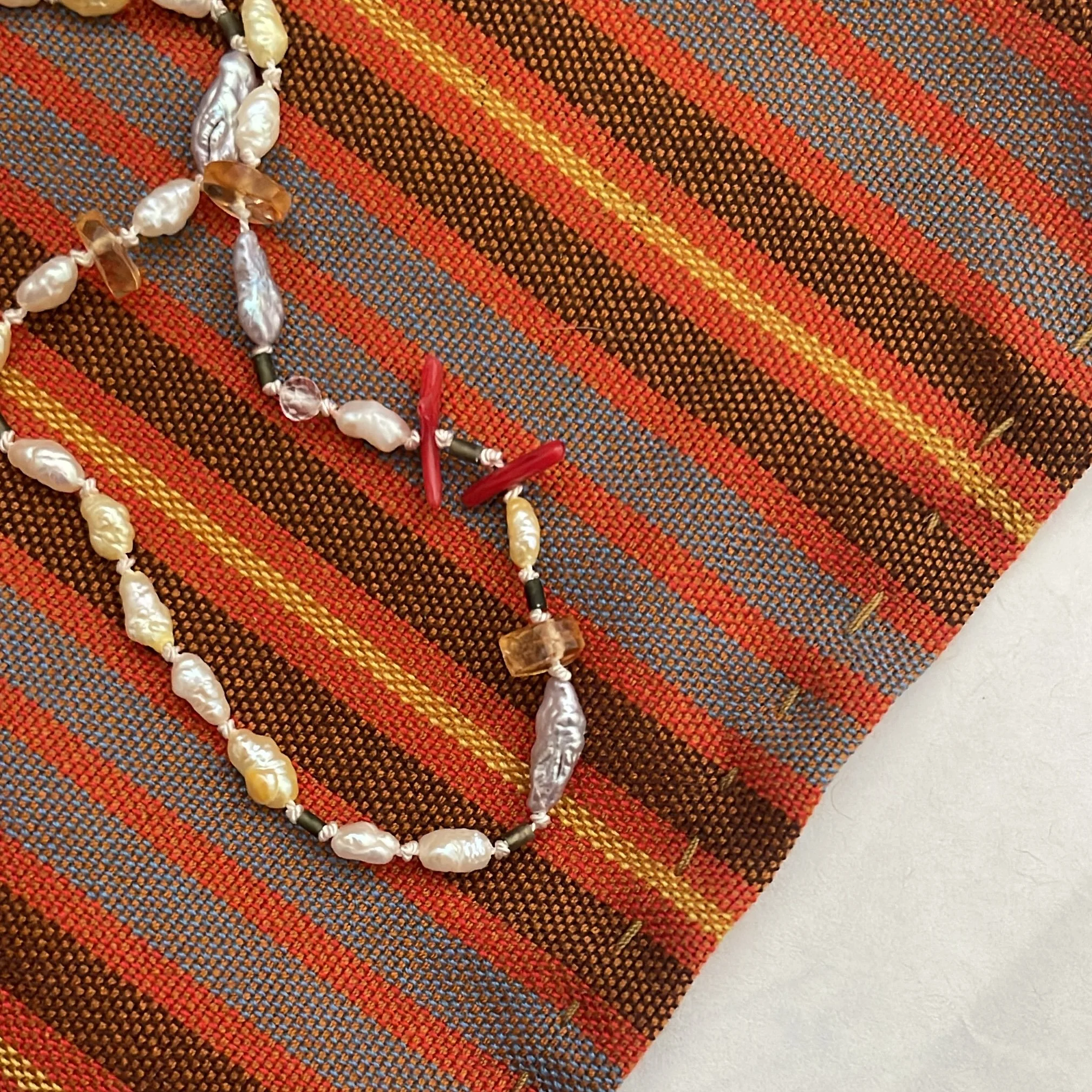
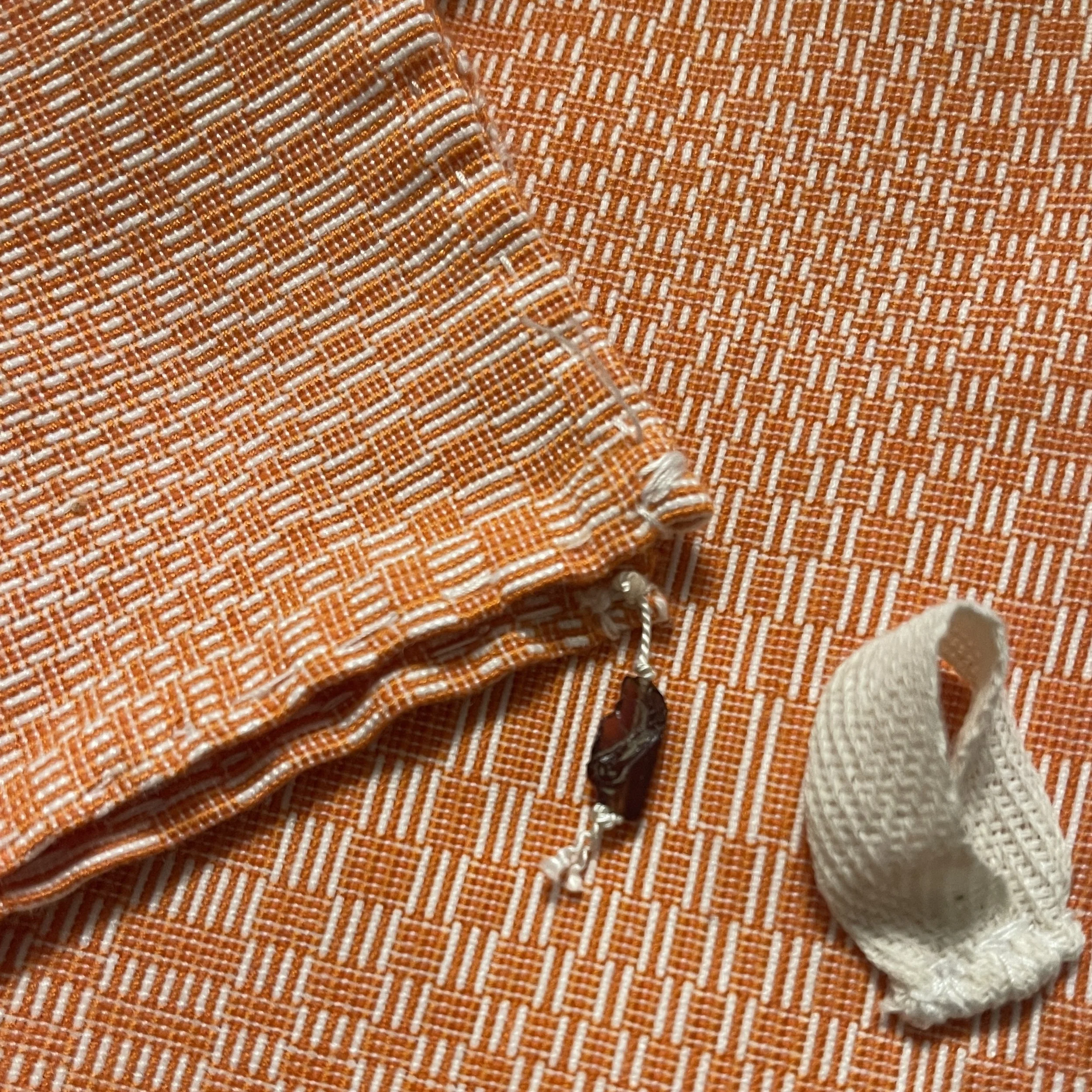
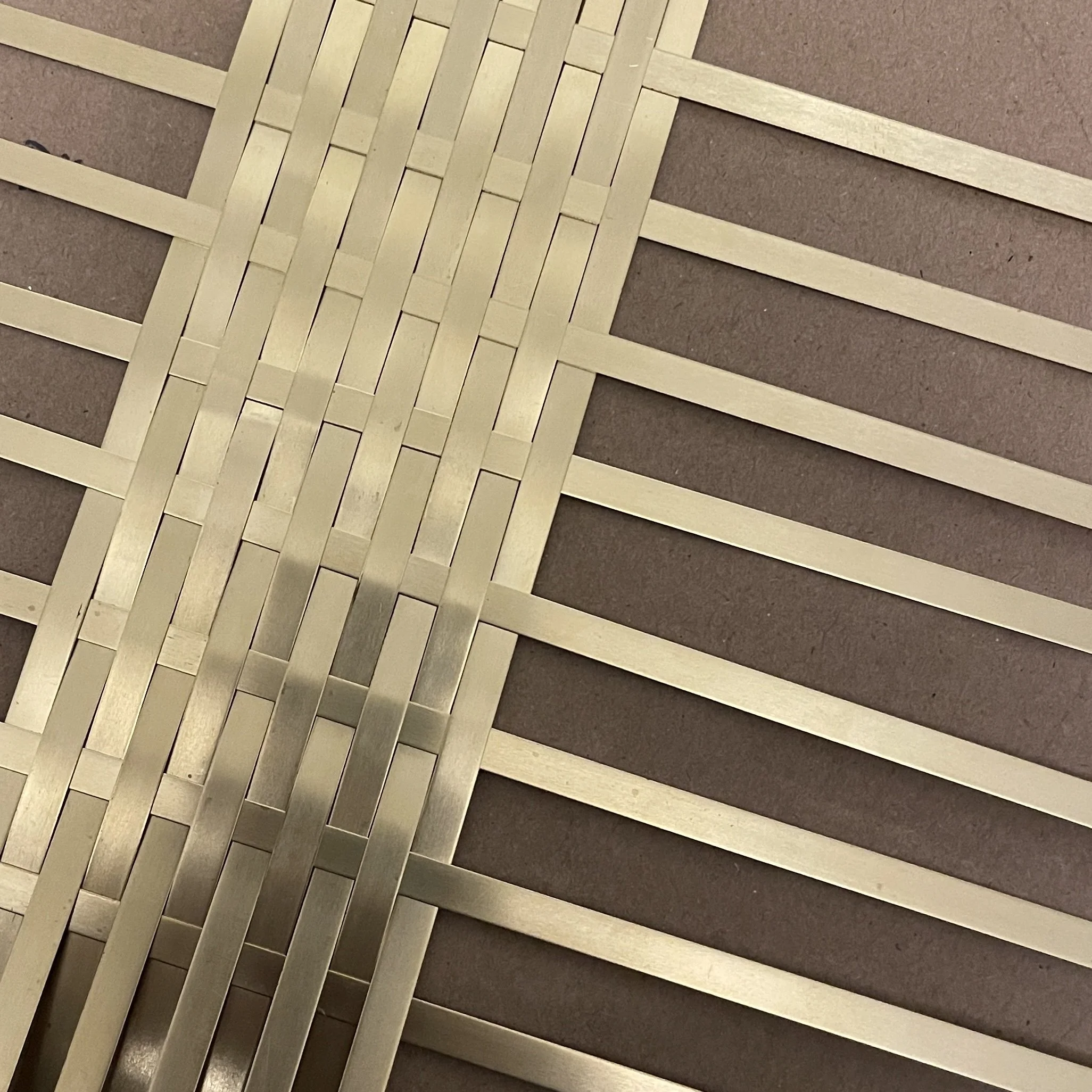
Mana unfolds through shows. Each show gathers a body of work around a shared inquiry. They are not seasonal collections, but chapters in an ongoing archive.
Together, the objects form a growing archive of gestures that reflect how home is remembered, carried, and remade across generations.
The work does not attempt to define culture, but to leave room for it to be practiced.
These are objects meant to be used, shared, repaired and passed on.